
Höre diesen Podcast kostenlos in der App: Kostenlos im App Store laden
radio.at
Sleeptimer
Sender speichern
355 Episoden
How surveillance crept up on us
23.10.2026 | 34 Min.For years, police have spent billions of tax dollars on watching us, tracking us, and recording us. In the largest police department in the country, these surveillance systems were paid for and adopted without the kind of public oversight cities usually require.
In the wake of 9/11, the New York Police Department built one of the most sophisticated and omnipresent surveillance systems in the country.
And while decisions were being made about what tech to adopt and how much to pay for it, few outside the NYPD were consulted. Not the City Council nor the public. For over a decade, the only paper trail of these purchases were offline, stored in filing cabinets, inaccessible to the public.
Today on the show, how the country’s largest police department built its surveillance system, and the fight to get police everywhere to tell us how they’re watching us.
Read:
Our book: Planet Money: A Guide to the Economic Forces That Shape Your Life
Our weekly longform Planet Money newsletter
Our weekly Indicator round-up newsletter
Follow:
Instagram
TikTok
YouTube
Facebook
Support public media with NPR+ and enjoy perks for over 25 podcasts like this one. This show’s perks include bonus episodes and sponsor-free listening. Learn more at plus.npr.org.
This episode was produced by Vito Emanuel and edited by Marianne McCune. It was fact-checked by Sierra Juarez and engineered by Cena Loffredo. Alex Goldmark is our executive producer.
Music: NPR Source Audio - "Funky Space Mama," "Sunday Lights," and "Blammo"
See pcm.adswizz.com for information about our collection and use of personal data for sponsorship and to manage your podcast sponsorship preferences.
NPR Privacy PolicyWe try to fix election polling (update)
21.10.2026 | 29 Min.Polling is facing an existential crisis. People aren't picking up the phone. Nobody wants to talk to pollsters. Trust is on the line. We pluck a solution from the economics canon and convince a polling firm to let us test it.
Today on the show, we head to Marist College — home of the Marist Poll — to learn how to be pollsters ourselves. We learn the great moments in polling history, the latest science of polling, and find out all the tricks that pollsters use to get people to finish their surveys. Then we get on the phone and give it a try ourselves. And offer some of our own solutions.
This episode was originally published before the 2022 midterm elections.
We have an update on our idea to save polling, which Marist is still testing, and we find out what it might be able to tell us about the 2026 midterms.
Music: "Partyline, "The Danzig Connection, and "Saku"
Read:
Our book: Planet Money: A Guide to the Economic Forces That Shape Your Life
Our weekly longform Planet Money newsletter
Our weekly Indicator round-up newsletter
Follow:
Instagram
TikTok
YouTube
Facebook
This update was produced by Emma Peaslee with help from Sam Yellowhorse Kesler. It was mastered by Gilly Moon with help from Cena Loffredo. The original episode was edited by Jess Jiang. Alex Goldmark is Planet Money’s executive producer.
Support public media with NPR+ and enjoy perks for over 25 podcasts like this one. This show’s perks include bonus episodes and sponsor-free listening. Learn more at plus.npr.org.
See pcm.adswizz.com for information about our collection and use of personal data for sponsorship and to manage your podcast sponsorship preferences.
NPR Privacy PolicyAnatomy of a movie market
16.10.2026 | 32 Min.Before an independent movie makes it to a streaming platform or a theater near you, it first needs to survive an artistic and economic gauntlet. And even for those movies that make it into elite film festivals like Sundance – it can take everything from performance stunts to corporate spycraft to seal the deal. Today on the show, we follow the ‘King of Sundance’ as he and his team try to sell their slate of movies to distributors like Netflix and Sony and Apple. We hear the behind the scenes stories about how films like Little Miss Sunshine, Napoleon Dynamite and Precious got sold. And we learn the strategies that might make the difference in whether or not a film makes it onto screens around the world.
For more episodes about the entertainment industry:
"Based on a true story"
On the Oscars campaign trail
Why platforms like HBO Max are removing streaming TV shows
The summer I turned binge-y
The Writers Revolt (UPDATE)
Read:
Our book: Planet Money: A Guide to the Economic Forces That Shape Your Life
Our weekly longform Planet Money newsletter
Our weekly Indicator round-up newsletter
Follow:
Instagram
TikTok
YouTube
Facebook
Support public media with NPR+ and enjoy perks for over 25 podcasts like this one. This show’s perks include bonus episodes and sponsor-free listening. Learn more at plus.npr.org.
This episode of Planet Money was produced by Emma Peaslee. It was edited by Jess Jiang. It was fact checked by Sierra Juarez and engineered by Annlie Huang. Alex Goldmark is Planet Money’s executive producer.
Music: NPR Source Audio - "Lone Star Desert Surfer," "The Westerners," and "Tucson Arizona"
See pcm.adswizz.com for information about our collection and use of personal data for sponsorship and to manage your podcast sponsorship preferences.
NPR Privacy PolicyWanna slow down AI? These biologists can help.
14.10.2026 | 29 Min.Fifty years ago, scientists pioneering a terrifying gene-splicing technology figured out a way to collectively hit pause. Can we do it again with AI?
We ask because some top AI industry leaders are saying the technology they’re pushing forward is moving too quickly … and might kill us all. They’re effectively saying, ‘Please, please regulate us! Slow us down! Tie our hands!’
But, by and large, they’re not slowing down, because they don’t want to be left behind. In other words, it’s a classic collective action problem. A type of problem that’s scary, but solvable. We’ve been here before.
In 1975, a group of scientists holed up for four days on California's foggy Central Coast to stop the runaway technology of their generation: a new DNA splicing technology that they feared could cause mass death. On today’s show, how they set aside ambition and competition to stop a runaway technology.
Live Show:
Planet Money Live at Kilkenomics. Kilkenny, Ireland Nov. 6th - 7th
Read Planet Money:
Our book: Planet Money: A Guide to the Economic Forces That Shape Your Life
Our weekly longform Planet Money newsletter
Our weekly Indicator round-up newsletter
Follow Planet Money:
Instagram
TikTok
YouTube
Facebook
Listen to more Planet Money:
Our short, daily podcast, The Indicator from Planet Money
Over 1,000 episodes in our archive on the NPR App
Merch:
NPR Shop
The Planet Money game, Sell Me A Sasquatch
Support public media with NPR+ and enjoy perks for over 25 podcasts like this one. This show’s perks include bonus episodes and sponsor-free listening. Learn more at plus.npr.org.
This episode was produced by Vito Emanuel. It was edited by Marianne McCune and fact-checked by Sierra Juarez. It was engineered by Travis Hagan. Alex Goldmark is our executive producer.
Music: NPR Source Audio - "Left Coastingg," "Going Nuts," and "Unsatisfied Reflection"
See pcm.adswizz.com for information about our collection and use of personal data for sponsorship and to manage your podcast sponsorship preferences.
NPR Privacy PolicyShould we all be getting tariff refunds right now?
09.10.2026 | 30 Min.Companies are getting billions of dollars back. How about us?
It seems simple, right? We paid higher prices for imported goods because of tariffs. Then the tariffs were ruled illegal. Courts said the money paid to the U.S. government had to be refunded. Companies are getting that money now.
It would seem like we, the customers, should get paid back, too. But … it’s not so simple.
Once again, we’re dipping back into the drama of import tax law. We’re engrossed in the ups, downs, betrayal, and romance of … the Days of our Tariffs.
In this edition: “Refunds and Regrets.”
How and why some companies and people are getting their IEEPA tariff refunds and other people are out of luck.
Live Show:
- Planet Money Live at Kilkenomics. Kilkenny, Ireland Nov. 6th - 7th
Read Planet Money:
- Our book: Planet Money: A Guide to the Economic Forces That Shape Your Life
- Our weekly longform Planet Money newsletter
- Our weekly Indicator round-up newsletter
Follow Planet Money:
- Instagram
- TikTok
- YouTube
- Facebook
Listen to more Planet Money:
- Our short, daily podcast, The Indicator from Planet Money
- Over 1,000 episodes in our archive on the NPR App
Merch:
- NPR Shop
- The Planet Money game, Sell Me A Sasquatch
Support public media with NPR+ and enjoy perks for over 25 podcasts like this one. This show’s perks include bonus episodes and sponsor-free listening. Learn more at plus.npr.org.
This episode was hosted by Kenny Malone. It was produced by Sam Yellowhorse Kesler and James Sneed. It was edited by our executive producer Alex Goldmark. It was fact-checked by Sierra Juarez and Sam Yellowhorse Kesler. It was engineered by Jimmy Keeley and Cena Loffredo. Special thanks this week to everyone who wrote in with a tale of tariff drama.
See pcm.adswizz.com for information about our collection and use of personal data for sponsorship and to manage your podcast sponsorship preferences.
NPR Privacy Policy
Weitere Nachrichten Podcasts







Trending Nachrichten Podcasts














Über Planet Money
Wanna see a trick? Give us any topic and we can tie it back to the economy. At Planet Money, we explore the forces that shape our lives and bring you along for the ride. Don't just understand the economy – understand the world. Support public media by joining NPR+ at plus.npr.org. You’ll get perks for over 25 NPR podcasts, including bonus episodes and sponsor-free listening for Planet Money.
Podcast-WebsiteHöre Planet Money, Inside Austria und viele andere Podcasts aus aller Welt mit der radio.at-App
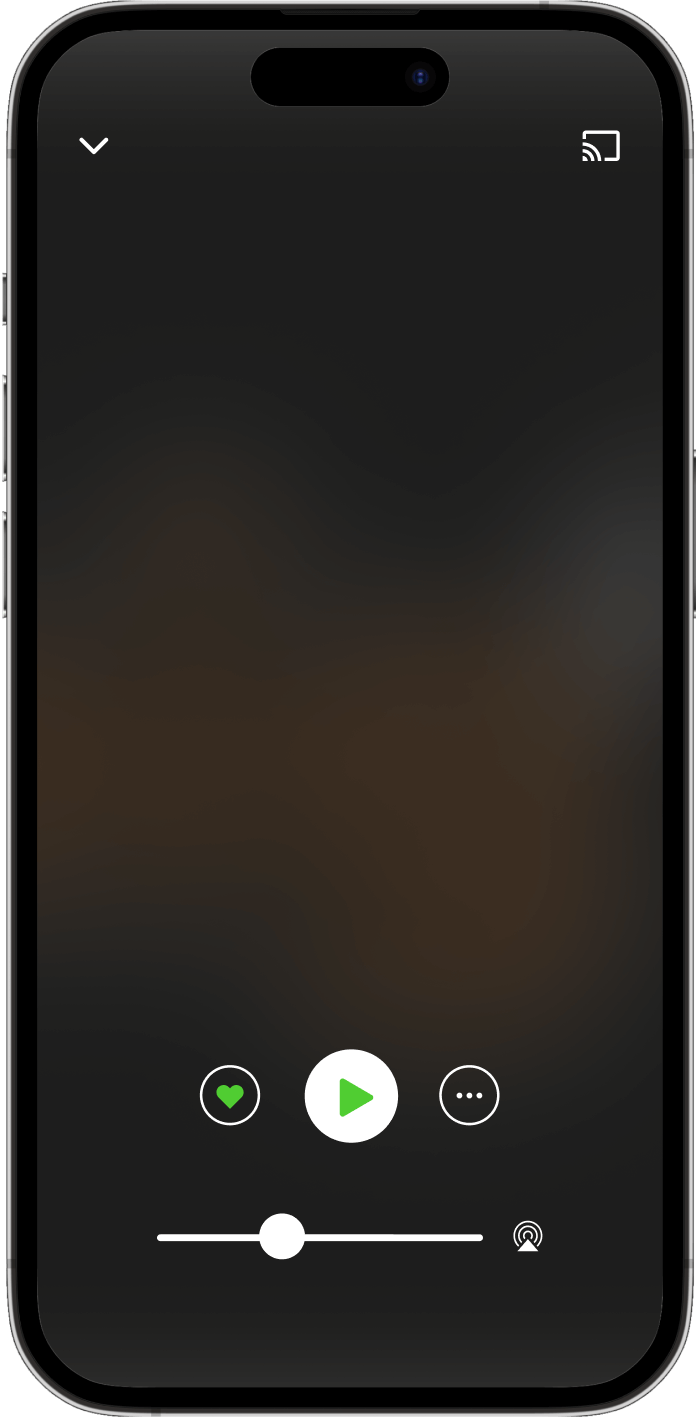
Hol dir die kostenlose radio.at App
- Sender und Podcasts favorisieren
- Streamen via Wifi oder Bluetooth
- Unterstützt Carplay & Android Auto
- viele weitere App Funktionen
Hol dir die kostenlose radio.at App
- Sender und Podcasts favorisieren
- Streamen via Wifi oder Bluetooth
- Unterstützt Carplay & Android Auto
- viele weitere App Funktionen
Planet Money
Code scannen,
App laden,
loshören.
App laden,
loshören.
Planet Money: Zugehörige Podcasts
 Österreich