
Höre diesen Podcast kostenlos in der App: Kostenlos im App Store laden
radio.at
Sleeptimer
Sender speichern
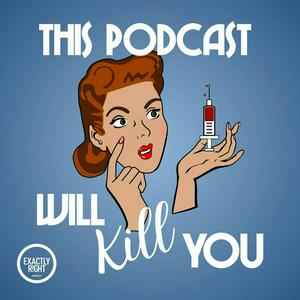
This Podcast Will Kill You
Exactly Right and iHeartPodcasts
Neueste Episode
308 Episoden
Ep 225 Peptides: What your peptide dealer doesn’t want you to know
20.10.2026 | 1 Std. 4 Min.Looking to get swole (do people still say that)? Want to rewind the clock and smooth those bothersome wrinkles? Trying to lose weight rapidly and without a prescription? If you’ve spent any time on social media lately, chances are you’ve been inundated with ads, influencers, and podcast bros extolling the seemingly unlimited powers of peptides. With GLP-1s turning ‘peptide’ into a household word, the online “wellness” market has been flooded with the newest iteration of snake oil salesmen. According to them, these bespoke peptide combinations can reverse baldness, build muscle, and restore youth, all for the low, low price of… you get the idea. But what the heck even are peptides? How are they regulated? Is there any evidence to support these bold claims? What isn’t your peptide dealer telling you? Tune in to find out.
Support this podcast by shopping our latest sponsor deals and promotions at this link: https://bit.ly/3WwtIAu
See omnystudio.com/listener for privacy information.Ep 224 Snake Oil: The Great American Fraud
13.10.2026 | 57 Min.Come one, come all to learn of the miraculous news we’re buzzing to share with you at this limited time, low price offer. If you’ve been troubled by aches and pains, sores and sneezes, look no further than this very special episode - good for whatever ails you. Brimming with historical detail and outlandish claims, we’re marching through the wild west of patent medicines in the 19th century. We begin with the widespread rejection of professional medicine in the 1820s (sound familiar??) and continue through the century as quack doctors and snake oil salesmen proliferate and hawk their fraudulent goods across the landscape. Fueled by a lack of regulation and the eternal desire for a cure-all, these fraudsters grew ever wealthier and more daring in the claims they made. When consumer protections finally kicked in at the turn of the 20th century, it left people wondering: did the snake oil salesman truly die or did he just take on a new disguise? Tune in to learn that the more things change, the more they stay the same.
Support this podcast by shopping our latest sponsor deals and promotions at this link: https://bit.ly/3WwtIAu
See omnystudio.com/listener for privacy information.Special Episode: Robert Kolker & The Vanishing Family
06.10.2026 | 47 Min.A diagnosis of dementia of any kind is devastating. For those with the hereditary form of frontotemporal dementia (FTD), it could mean an entire family is destined for the same fate. In this week’s TPWKY book club episode, award-winning author Robert Kolker paints an intimate portrait of one such family in The Vanishing Family: Love, Fate, and the Quest to End Dementia. Through Kolker’s compassionate and incisive writing, readers learn about FTD alongside this family and gain a unique insight into the painful and complex decisions the siblings face. Kolker also presents a scoping view of the history and possible future of dementia research, one that may allow fate to be rewritten. Tune in for all this and more.
Support this podcast by shopping our latest sponsor deals and promotions at this link: https://bit.ly/3WwtIAu
See omnystudio.com/listener for privacy information.Ep 223 ALS: Unraveling the mystery
29.09.2026 | 1 Std. 20 Min.Amyotrophic lateral sclerosis (ALS), also known as Lou Gehrig’s disease, has long mystified the medical community and brought tremendous sorrow to those impacted by the condition. But to tell the story of ALS as one solely of tragedy would do a disservice to those who have long fought to develop an effective treatment or raise awareness. Because it is through their tireless efforts that those with ALS will eventually be able to rewrite their own ending. In today’s episode, we attempt to convey the full picture of ALS: from what we know about its causes to the earliest medical descriptions, from the baseball player whose impassioned speech captured the public’s hearts to the promising research on the horizon. Tune in for all this and more.
Support this podcast by shopping our latest sponsor deals and promotions at this link: https://bit.ly/3WwtIAu
See omnystudio.com/listener for privacy information.Ep 222 Vitamin K: Calling the shots
22.09.2026 | 1 Std. 6 Min.Shortly after birth, many newborns are given vitamin K to help their blood clot properly and reduce the chances of hemorrhage. Increasingly, especially here in the US, parents are refusing this life-saving intervention, leaving these babies more likely to develop deficiency bleeding which can lead to life-long brain damage and death. In this episode, we explore the many dimensions of vitamin K: how it acts in our bodies as an essential compound, when we discovered the clotting properties of this vitamin and applied that knowledge to prevent catastrophic bleeding in newborns, and why some people are turning away from this life-saving injection. You’ve seen the headlines, now tune in for the full story.
Support this podcast by shopping our latest sponsor deals and promotions at this link: https://bit.ly/3WwtIAu
See omnystudio.com/listener for privacy information.
Weitere Gesundheit und Fitness Podcasts






Trending Gesundheit und Fitness Podcasts

















Über This Podcast Will Kill You
This podcast might not actually kill you, but Erin Welsh and Erin Allmann Updyke cover so many things that can. In each episode, they tackle a different topic, teaching listeners about the biology, history, and epidemiology of a different disease or medical mystery. They do the scientific research, so you don’t have to.
Since 2017, Erin and Erin have explored chronic and infectious diseases, medications, poisons, viruses, bacteria and scientific discoveries. They’ve researched public health subjects including plague, Zika, COVID-19, lupus, asbestos, endometriosis and more.
Each episode is accompanied by a creative quarantini cocktail recipe and a non-alcoholic placeborita.
Erin Welsh, Ph.D. is a co-host of the This Podcast Will Kill You. She is a disease ecologist and epidemiologist and works full-time as a science communicator through her work on the podcast. Erin Allmann Updyke, MD, Ph.D. is a co-host of This Podcast Will Kill You. She’s an epidemiologist and disease ecologist currently in the final stretch of her family medicine residency program.
This Podcast Will Kill You is part of the Exactly Right podcast network that provides a platform for bold, creative voices to bring to life provocative, entertaining and relatable stories for audiences everywhere. The Exactly Right roster of podcasts covers a variety of topics including science, true crime, comedic interviews, news, pop culture and more. Podcasts on the network include My Favorite Murder with Karen Kilgariff and Georgia Hardstark, Buried Bones, That's Messed Up: An SVU Podcast and more.
Podcast-WebsiteHöre This Podcast Will Kill You, HEALTHWISE - Der Gesundheits- und Longevitypodcast. und viele andere Podcasts aus aller Welt mit der radio.at-App
Hol dir die kostenlose radio.at App
- Sender und Podcasts favorisieren
- Streamen via Wifi oder Bluetooth
- Unterstützt Carplay & Android Auto
- viele weitere App Funktionen
Hol dir die kostenlose radio.at App
- Sender und Podcasts favorisieren
- Streamen via Wifi oder Bluetooth
- Unterstützt Carplay & Android Auto
- viele weitere App Funktionen

This Podcast Will Kill You
Code scannen,
App laden,
loshören.
App laden,
loshören.
This Podcast Will Kill You: Zugehörige Podcasts

 Österreich