
Höre diesen Podcast kostenlos in der App: Kostenlos im App Store laden
radio.at
Sleeptimer
Sender speichern
534 Episoden
Fiasco to Fabulous: How Straw Bottles and Noble Rot Changed Italian Wine. Giorgio Fragiancomo.
22.10.2026 | 50 Min.When an Italian man walks into the studio with an Australian accent who likes to ride skateboards around Milan, you know this is goign to be a hoot.
Giorgio Fragiancomo was jus that. A hoot. We were like two old friends catching up on the past 20 years.
I think you will finds him just as engaging.
I have to tell you, Giorgio Umberto Ferragiacomo of Querciabella was one of those rare guests who swirl together history, opinion, and wit in a glass that's almost overflowing. Sitting across from him in the studio, Southern California's dry heat announcing itself even more than usual, I realized this wasn't going to be an ordinary wine chat. Right from the get-go, Giorgio declared his love for single-vineyard Sangiovese and, with a twinkle in his eye, started unraveling stories about wine, language, and his own globetrotting accent. There's something about a guest who can poke fun at himself while digging deep into the roots and revolutions of Italian wine that makes you sit up a bit straighter in your chair.
Lunch with Giorgio could've been a podcast in itself. Between forkfuls of antipasti, he poured not just wine, but tales—like how Bataille got its name, and how much trademark law can swirl around a single bottle. The way he told the history of the Chianti fiasco bottle—you know, the squat ones wrapped in straw—made you feel like you could hear the old ox carts clattering down Tuscan lanes. It's the anecdotal details, like women weaving bulrushes for bottle insulation, that make this more than just a bottle on a shelf. With every sip and every story, Giorgio bridged centuries.
What I respect about Giorgio—and the reason I keep bringing people like him on the show—is that he doesn't just tell you about his wines. He stirs up the big debates. When I tossed in a little jab about Super Tuscans being a sneaky way to charge more for declassified grapes, he was ready. He explained the real revolution: how outdated Italian wine laws forced quality-minded vintners to color outside the lines, risking everything for better wine—even if it meant their pride and joy went to market labeled table wine. The best conversations, in my book, happen when someone like Giorgio is ready to challenge conventional wisdom with history, personality, and a dash of humor.
If you ask Giorgio, Querciabella's success comes from visionaries who saw beyond bureaucracy and narrow expectations. Giuseppe Castiglioni was one of those minds: a man who valued elegance over conformity and wasn't afraid to import a little Burgundian inspiration into Tuscany. That spirit continues today, he says, whether it's through seeking international experience in their winemaking team or leaning into the purest possible expressions of Sangiovese. The world is changing, Giorgio admits, and so is wine—but the pursuit of quality, relevance, and authenticity never goes out of style.
As we clinked glasses and traded stories about family, culture, and that universal recognition of "wow" when you taste something great, one idea lingered: wine is both history and future in a bottle. Giorgio believes—and I wholeheartedly agree—that you can taste vision and intention just as surely as acidity or tannin. That's why I host these conversations: to remind myself, and hopefully you, why wine matters, and why the right bottle (and guest) always leaves you a little more curious than before.
What will you learn in this episode?
The scandalous and surprising history behind the iconic Chianti fiasco bottle—and why it was more than just a candleholder.
How Italian wine law almost strangled quality, leading to a revolution that birthed the world-famous Super Tuscans.
Why a good accent story and a willingness to break tradition can make a vintner—and a wine—stand out.
The role of bold visionaries and international perspective in reshaping the future of Tuscan wine.
Why, in a world of convenience and cocktails, authenticity, passion, and quality storytelling are still wine's greatest strengths.
So pop a cork, pour a glass, and settle in—this is one Wine Talks you'll want to savor.
Querciabella: https://querciabella.com
Pio Cesare: https://www.piocesare.it
Château d'Yquem: https://yquem.fr
Jadot (Louis Jadot): https://www.louisjadot.com
YouTube: https://youtu.be/aToJeKqmNZ4Can a Napa Winemaker Outsmart Changing Trends? Samantha Sheehan Reveals Her Formula
20.10.2026 | 53 Min.It is not everyday that one gets to podcast with a success story in the wine trade. Particularly, these days.
Samatha Sheehan is just that...but that wasn't her plan. Certainly, she wants to be a success, but that was not the objective when she made a batch of an orange aperitif...and had only a handful of cases when a major retailer ordered a pallet; let the fun begin!
Samantha Sheehan laughs about rumors of her Olympic gymnastics past, but her real talent is flipping the script on California wine—vaulting from outsider to tastemaker, conjuring vibrant nectar from the land, and doing it all with moxie, candor, and a wild eye for the next wave. If you think the wine industry is just tradition poured into a bottle, Samantha's journey will jolt you like a chilled aperitif on a sweltering day. In this electrifying conversation, you'll find out how a twenty-something LA transplant traded pinstripes for grapevines, and how sheer curiosity (plus a penchant for citrus) sent ripples through the old guard of Napa.
Inside the barrel of this episode, you'll swirl stories of serendipity: an impulse trip to Champagne, knock-and-enter visits to tiny French cellars, and the electrifying realization that ordinary people can make extraordinary wine. Samantha reveals what it means to chase minerality and acidity in a region obsessed with scores and opulence, and how marketing isn't just a game of bottle labels—it's a race to craft things you love before the market even knows it wants them. She exposes the grind behind launching a brand; you'll witness her awkward cold calls, battles with labyrinthine label laws, and the leap from "house project" to placement in retail giants, all threaded with the thrill of risk.
Survival in today's wine world means adaptation, and Samantha pulls back the curtain on how to navigate oversupply, shifting tastes, and the ruthless bureaucracy of distribution. From pandemic chaos to the dizzying glut of brands crowding the shelf, she cuts through the noise, showing why small-batch visionaries are sometimes the only ones agile enough to innovate—and why big companies keep their eyes on little upstarts. Her wisdom isn't just for winemakers; it's for anyone eager to turn small passion into big impact in the face of relentless competition.
And beneath it all is the love story between wine, land, and storytelling itself. Samantha's ode to the tactile, handmade process of harvesting, pressing, and tasting serves as a rallying cry against bland mass-production—and a reminder that true intrigue lies in the hands that coax character from the soil. She invites listeners to ask: What makes a bottle memorable, and how do you forge authenticity when everyone else seems to be chasing the same spotlight?
Uncork this episode and taste every nuance—crisp revelations, bittersweet truths, and the bright finish of inspiration. Here's just a squeeze of what you'll discover:
🍊 How a single glass of Lillet (with a twist of orange) inspired Samantha to invent a category-bending aperitif before the spritz craze hit
🍊 Why chasing trends is a losing game—and why your best bet is making what you crave, before the crowd catches on
🍊 The inside scoop on navigating modern wine distribution—plus the pitfalls and payoffs of big versus small wholesalers
🍊 What it really takes to build a following when the wine shelves are more crowded (and competitive) than ever
🍊 The secret power of transparency and storytelling in a landscape packed with lookalike brands—and how naming every ingredient can set you apart
Crack open this episode for a masterclass in bold risk-taking, industry taming, and the sweet, zesty rewards of blazing your own path.
It's not everyday you podcast with a success story in these times. Sam Sheehan is just that; a success story in a crazy industry at a crazy time.
And she couldn't be more humble. So humble, that our conversation turned very emotional at the end and we both came away with a sense of udnerstanding and connection.
Poe Wines: https://poewines.com
Ultraviolet Wines: https://uvwine.com
Mom and Pop (Aperitifs): https://momandpopshopwine.com
Matthiasson Wines: https://www.matthiasson.com
Favia Wines: https://faviawine.com
Hess Collection: https://www.hesscollection.com
Dariush: https://www.dariush.com
Faust Wines: https://faustwines.com
Saintsbury Winery: https://www.saintsbury.com
Sine Qua Non: https://sinequanon.com
Total Wine: https://www.totalwine.com
YouTube: https://youtu.be/hLKeNg724-gWhy Your Favorite Wine Tastes Better on Vacation: The Secret Ingredient Revealed. Simone Spinner
15.10.2026 | 48 Min.She has a new book "The Only Thing You Need To Know About Wine Is What You Like: The Essential Guide To Wine" and it nails it.
When the entire industry is trying to find their footing and predict the market to make their next move, Simone is busy talking to the consumer; the actual people who we all are trying to court. And I think you will find this book full of.....common sense.
Simone FM Spinner could spin a tale about wine that would make even Hemingway set down his glass and lean in closer. In this episode, you'll be immersed in a conversation that stretches far beyond wine facts and flavor wheels, challenging everything you thought you knew about what makes a glass memorable.
You'll discover why Simone believes the "sommification" of wine has stolen some of the joy right out of the bottle—and how the industry itself is trying to win it back, one story at a time. Paul and Simone dissect the disconnect between pouring facts at consumers and creating emotional, lasting experiences around the wine.
Pour yourself a glass as Simone takes you inside the true art and neuroscience of wine, where it's not about nailing the tasting note or reciting terroir specifics, but about conjuring up sensory memories, emotional connections, and the stories that stay with you long after the last drop.
You'll learn how visual cues, like the collages in Simone's latest book, can unlock flavors more powerfully than words ever could. From bustling vineyards in Italy with cannolis at the ready, to quiet moments over a Sauternes shared with family—these are the places where wine reveals its soul.
Simone and Paul show you why knowing what you like is just the beginning, and how your palate's journey is shaped by culture, context, even your body chemistry. Each bottle, they argue, is an invitation to live vicariously and to reflect on how wine intersects with memory, history, and joy.
By the end, you'll see why Simone's mantra is that the only thing you need to know about wine is what you like—and why the path to discovering that is the grandest adventure of all.
What you'll learn in this episode:
🍷 Why stories and context sell wine far better than facts and terroir
🍷 How "sommification" may have made wine intimidating—and how to bring the fun back
🍷 The roles of art, neuroscience, and memory in truly experiencing wine
🍷 How visuals and sensory cues unlock tasting notes better than academic jargon
🍷 Why "knowing what you like" is both simple and surprisingly complex
🍷 The cultural, historical, and emotional forces that shape your palate over time
YouTube: https://youtu.be/XuQ_b2xnYgUThe Surprising Reason Bordeaux's Grand Châteaux Say No to Wine Trends: Meet Pauline Frandin.
13.10.2026 | 53 Min.In the throws of the current marketplace, the reactions throughout the wine world must and should be different. How Napa handles it is and could be completely different than Burgundy. Bordeaux is no exception.
I have had the pleasure and honor to host some of the great Chateau at the Wine Talks studios and each episode is compelling; and I always come back to the same conclusion: Stay the course.
Pauline Frandon doesn't just represent a château—she embodies the soulful heartbeat of Bordeaux, and on this episode she sits down to unravel all those questions you've ever secretly pondered while swirling a glass: Why do grand châteaux send their emissaries hopscotching around the globe? Are those elusive "second labels" just leftovers or hidden gems with their own stories?
You'll discover how, for Pauline and her peers, every drop in the glass is both an art form and an act of emotional connection, a portal into centuries-old traditions guarded fiercely even as trends and generations shift. Get an inside look at what it means to travel tirelessly for your winery—from daily tastings in restaurants, hotels, and wine shops to the art of forging one-to-one connections that can make or break a reputation abroad. Pauline shares candidly about her passion for seeing her real impact when promoting a single estate with a proud, storied history.
Journey behind the scenes of Cantenac Brown's ambitious transformation as Pauline reveals how Margaux's fiercely competitive landscape pushes her to crisscross America, keeping the château vibrant and visible in a market where legacy can't rest on its laurels. You'll also hear her take on the importance of making wine approachable—demystifying tasting rooms, cutting through jargon, and tuning in to the emotional resonance that wine can deliver, no matter the bottle's price tag.
The conversation doesn't shy away from the realities facing Bordeaux today: tightening markets, generational shifts, the balancing act between tradition and innovation, and the sometimes awkward steps into digital marketing. Pauline delves into how COVID forced Bordeaux's old guard to embrace Instagram and storytelling, and why even with all the technology in the world, sometimes nothing beats a well-timed in-person visit or a handwritten cellar note.
By the end, you'll leave with not just inside knowledge of Bordeaux's intricate dance between history and reinvention, but a heightened sense of the joy, challenge, and essential humanity that every bottle, label, and winery visit should hold.
You'll learn:
🍷 The surprising truth about "second label" wines and why they're not simply leftovers
🍷 How Cantenac Brown maintains its unique identity amidst fierce Margaux competition
🍷 The secrets to making wine less intimidating for newcomers and the next generation
🍷 Why emotional storytelling matters more than technical tasting notes
🍷 How Bordeaux's approach to marketing is changing in the digital era
🍷 The role of people, hospitality, and team longevity in great winemaking
Cantenac Brown: https://www.cantenacbrown.com/
Duclot: https://www.duclot.com/
San Antonio Winery: https://sanantoniowinery.com/
Gallo (E. & J. Gallo Winery): https://www.gallo.com/
Wine Paris (event): https://www.wineparis-vinexpo.com/
Tour d'Argent (restaurant): https://www.tourdargent.com/
YouTube: https://youtu.be/DdOi5q1QckIFrom Bordeaux to Napa: Is Tradition Holding Wine Back? Ask Justine Tesseron of Cht. Pontet-Canet
08.10.2026 | 42 Min.Pick a defacto wine region of the world...one that speaks of history and pedigee; the region with which every enophile begins their jpourney: Did you say Bordeaux?
And would you think that there is history packed into Chateau Pontet-Canet? I suppose, when you consider that for the past 300 years, there have only been 3 families to care for it's vineayards; seems like history and pedigree to me!
When Justine Tesseron walks into a room, Bordeaux's old guard can be forgiven for bracing themselves. She represents both legacy and provocation: the fifth growth estate of Pontet-Canet, once bound by the almost sacred rules of tradition, is now a launch pad for some of Bordeaux's most radical experimentation. In a region where change is often whispered, Justine Tesseron speaks aloud about biodynamics, the tension between authenticity and marketing, and why clinging to the past can sometimes strangle the future. The audacity is refreshing—and controversial. After all, in Bordeaux, some see "innovation" as a dirty word, a risk to centuries of carefully tended reputation. But Justine Tesseron's vision is clear: without evolution, even historic vineyards risk irrelevance.
What happens when a centuries-old château dares to reject the safety of the norm? Justine Tesseron and her family didn't just convert Pontet-Canet to biodynamic farming—they did it quietly, driven by the pursuit of better, more honest wine rather than a marketing story. And if you think Bordeaux would reward that courage, think again—adopting horses instead of tractors, stopping irrigation in Napa, and refusing to slap "biodynamic" on the label hasn't always sat well with the establishment. Paul K pulls no punches, probing the fine line between innovation and heresy, business survival and romantic nostalgia. Is Bordeaux in crisis, or is "crisis" a lazy scapegoat for resisting change? For Justine Tesseron, it's just another challenge to rise above.
Throughout this episode, you'll discover that the Pontet-Canet approach isn't just about vineyards—it's about challenging every assumption, from how wines are classified and aged, to how hospitality should be woven into the fabric of great estates. Justine Tesseron's candid admissions about mistakes, learning curves, and the endless tension between nature and commerce provoke an uncomfortable question for every wine lover: does tradition serve the wine, or does the wine serve tradition?
You will learn:
Why Pontet-Canet's move to biodynamics was rooted in taste and authenticity, not marketing hype.
The unspoken risks of pioneering change in Bordeaux's conservative winemaking culture.
How climate change is forcing continuous adaptation—even for the most hallowed vineyards.
Why Justine Tesseron rejects "crisis" as the right word for Bordeaux's challenges, and what she believes the region can—and must—do next.
The conflicting philosophies of oak versus concrete aging, and how they reframe what "Bordeaux" tastes like.
How the intersection of business, family, and legacy shapes the future of wine, from the cellars of Pauillac to the hills of Napa.
If you thought the world of classified growths was set in stone, this episode will change your mind—and might even raise your glass a little higher, as you ponder just what the next chapter for Bordeaux should look like.
Château Pontet-Canet: https://www.pontet-canet.com
Tesseron Cognac: https://www.tesseroncognac.com
Wine Paris: https://www.wineparis-vinexpo.com
Hôtel de Pavie in Saint-Émilion: https://www.hoteldepavie.com
YouTube: https://youtu.be/iE5Po7GBPJY
Weitere Essen Podcasts


Trending Essen Podcasts


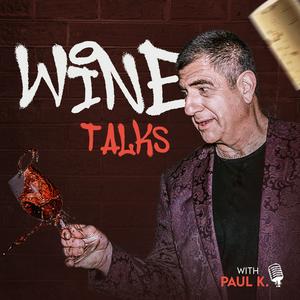
Über Wine Talks with Paul K.
All you knew about wine is about to bust wide open… We are going to talk about what really happens in the wine business, and I'm taking no prisoners. Learn more at: https://www.winetalkspodcast.com/.
I am your host, Paul Kalemkiarian, 2nd generation owner of the Original Wine of the Month Club, and I am somewhere north of 100,000 wines tasted.
How can Groupon sell 12 bottles for $60, and the wines be good? How do you start a winery anyway and lose money? And is a screwcap really better than a cork? Sometimes I have to pick a wine at the store by the label and the price... and I get screwed.
Subscribe now and prepare to be enlightened.
Podcast-WebsiteHöre Wine Talks with Paul K., Gastropolítica und viele andere Podcasts aus aller Welt mit der radio.at-App
Hol dir die kostenlose radio.at App
- Sender und Podcasts favorisieren
- Streamen via Wifi oder Bluetooth
- Unterstützt Carplay & Android Auto
- viele weitere App Funktionen
Hol dir die kostenlose radio.at App
- Sender und Podcasts favorisieren
- Streamen via Wifi oder Bluetooth
- Unterstützt Carplay & Android Auto
- viele weitere App Funktionen
Wine Talks with Paul K.
Code scannen,
App laden,
loshören.
App laden,
loshören.
Wine Talks with Paul K.: Zugehörige Podcasts
 Österreich