

Höre diesen Podcast kostenlos in der App: Kostenlos im App Store laden
radio.at
Sleeptimer
Sender speichern
258 Episoden
Dame Dash: From Harlem Hustler to Hip-Hop Villain
20.07.2026 | 28 Min.Queue Points hosts DJ Sir Daniel and Jay Ray dig into the career and reputation of Dame Dash, the Harlem-born co-founder of Roc-A-Fella Records and Rocawear, tracing his rise alongside Jay-Z from the label's 1994 launch through its 2004 breakup. The conversation uses Jay-Z's recent Yankee Stadium concerts celebrating 30 years of Reasonable Doubt as a jumping-off point to examine how Dame built a public persona around flash, confrontation, and proximity to power rather than musical talent. The hosts unpack his relationships with Aaliyah, Rachel Roy, and Kanye West, and argue that Dame's current media presence functions as a cautionary tale about legacy, self-awareness, and staying relevant in hip-hop culture.
The Breakdown (Topics Discussed)
How Jay-Z's Yankee Stadium shows celebrating Reasonable Doubt's 30th anniversary reignited conversation about Dame Dash and Roc-A-Fella's founding story
Dame Dash's evolution from behind-the-scenes hustler to the flashy, villain-coded public face of Roc-A-Fella, and why the label's 2004 collapse sealed his reputation as a liability
What Dame Dash represents in hip-hop history
Chapter Markers
00:00 Hook
00:00 Intro Theme
00:16 Welcome to the Show
00:31 Jay-Z's Yankee Stadium Concert Recap
04:10 Transition
04:17 Dame Dash's Background and Rise
07:17 Dame Emerges as a Public Figure
09:53 Dame's Villain Persona
11:48 Dame Becomes a Liability
13:32 Quick Transition
13:34 What Does Dame Represent in Hip-Hop?
17:22 Quick Transition
17:24 The Shark and Remora Analogy
19:26 Main Character Energy
19:50 Dame's Relationships: Aaliyah, Rachel Roy, and Kanye
22:33 Comparing Dame to Kanye
24:27 Transition
24:34 The 'Real Friend' Warning
26:43 Show Close-Out
27:56 Outro Theme
Support Queue Points
Become An Insider: https://link.queuepoints.com/membership
#DameDash #RocAFella #JayZ #HipHopHistory #BlackMusicHistoryRemembering Sparky D: Golden Era Battle Rap Queen
13.07.2026 | 36 Min.DJ Sir Daniel and Jay Ray dedicate this episode to Sparky D, born Doreen Broadnax, tracing her run from Brownsville, Brooklyn dancer to one of hip-hop's first female battle rappers during the Roxanne Wars. The hosts walk through her time with The Playgirls, her creative partnership with Spyder D, her connection to DJ Red Alert, and the 1988 album "This Is Sparky D's World," while weighing her songwriting and delivery against contemporaries like MC Lyte, Salt-N-Pepa, and Queen Latifah. They also address her addiction, the isolation that came with working outside a larger crew or label team, and her eventual path to recovery and ministry in Atlanta.
The Breakdown
Sparky D's rise from Brownsville dancer to Playgirls member and how that group's "Our Picture of a Man" led to her solo work with Spyder D
The Roxanne Wars origin story, including how "Sparky's Turn (Roxanne, You're Through)" came together and the sisterhood that formed between Sparky D and Roxanne Shanté on tour
Sparky D's songwriting and vocal delivery on record, and how limited production resources and industry isolation affected her sound compared to golden era peers
Her addiction, the personal trauma tied to it, and her later recovery and transition into ministry and community work
Chapter Markers
00:00 Intro Theme
00:16 Welcome to the Show
01:02 Sparky D Passes Away
07:24 Sparky D's Career Overview
08:18 The Playgirls & the Roxanne Wars
12:01 Sisterhood on the Battle Tour
16:46 Transition
16:53 Sparky D's Artistry and Songwriting
22:27 Isolation, Production, and Missed Potential
23:32 Transition
23:39 Addiction and Personal Struggles
30:06 Transition
30:13 Recovery, Ministry, and Legacy
34:46 Closing Thoughts
36:16 Outro Theme
Support Queue Points
Become An Insider: https://link.queuepoints.com/membership
#SparkyD #RoxanneWars #GoldenEraHipHop #FemaleMCs #HipHopHistoryCold Chillin Records: The Juice Crew, Big Daddy Kane, Roxanne Shanté And Biz Markie
06.07.2026 | 40 Min.DJ Sir Daniel and Jay Ray break down the history of Cold Chillin' Records, the Warner Brothers-distributed label that gave street rappers major-label reach. They trace the label's roots to Tyrone "Fly Ty" Williams and Len Fichtelberg, correcting the common misconception that Marley Marl founded the label rather than serving as its in-house producer. The conversation covers the Juice Crew roster, including Big Daddy Kane, Roxanne Shanté, Kool G Rap, MC Shan, and Biz Markie, and how the label's Prism Records merger and Warner distribution deal helped these Queensbridge and Brooklyn artists cross into mainstream visibility. The hosts also connect Biz Markie's 1991 "I Need a Haircut" sampling lawsuit to the industry-wide shift toward sample clearance practices still used today.
The Breakdown
Cold Chillin's origin story: how Fly Ty and Len Fichtelberg built the label out of Prism Records and secured Warner Brothers distribution, and why Marley Marl's role was producer rather than founder
Juice Crew's rise to fame: Big Daddy Kane's debut impact with "Ain't No Half-Steppin'," Roxanne Shanté's early singles-first career path, and Kool G Rap and DJ Polo's influence on mafioso rap
"The Symphony" posse cut: why the Marley Marl-produced track featuring Big Daddy Kane, Kool G Rap, Craig G, and Master Ace still stands as a high point for hip-hop group collaborations
Biz Markie's crossover run and its fallout: "Just a Friend" becoming a 1991 pop hit, followed by the Gilbert O'Sullivan lawsuit over "Alone Again" that reshaped sampling clearance rules in the music industry
Chapter Markers
00:00 Intro Theme
00:16 Welcome to the Show
00:56 Quick Transition
00:57 Cold Chillin Records A Groundbreaking Label
02:22 The Founders and Early Days of Cold Chillin
05:33 Transition
05:40 The Juice Crew and Their Impact
15:29 Big Daddy Kane A Game Changer
18:27 Roxanne Shante The Queen of the Juice Crew
25:38 Quick Transition
25:39 Kool G. Rap and DJ Polo Innovators of Mafioso Rap
27:36 The Juice Crew Female Members
28:07 The Legendary Posse Cut The Symphony
31:43 Biz Markie Had Crossover Success with Just a Friend
34:30 The Impact of Sampling Lawsuits on Hip Hop
37:50 Cold Chillin Records Legacy in Hip Hop
39:07 Transition
39:14 Cold Chillin Had the Flyest Logo
39:49 Closing Remarks and Farewell
40:38 Outro Theme
#ColdChillinRecords #JuiceCrew #BigDaddyKane #BizMarkie #HipHopHistoryWaiting to Exhale Soundtrack: 1995 Black Music Landmark
29.06.2026 | 25 Min.The 1995 Waiting to Exhale soundtrack sits at the intersection of Black film history, R&B's commercial peak, and one producer's singular creative vision. DJ Sir Daniel and Jay Ray break down how Babyface, operating at the height of his solo production era after parting ways creatively with L.A. Reid, conceived and executed an all-women soundtrack that functioned both as a companion to Terry McMillan's source material and as a standalone statement about Black women in music. From Whitney Houston stepping fully into her acting career post-The Bodyguard to the deliberate curation of artists across Arista, LaFace, and the wider Atlanta R&B ecosystem, this episode examines why the roster looked the way it did — and what the notable absences of Mariah Carey, Monica, Anita Baker, and En Vogue reveal about the industry politics of the moment.
Topics Discussed:
How Babyface and Whitney Houston hand-selected the all-women roster — and why the Arista/Atlanta network determined who made the cut
The omissions: why Monica was too new, why Mariah Carey's Sony deal likely kept her off, and what En Vogue's internal situation had to do with it
Babyface as a songwriter in 1995 — how he channeled the voice of each individual artist, from a teenage Brandy to TLC to Whitney, across a single project
DJ Sir Daniel and Jay Ray build their own 2027 version of the soundtrack, with picks including Muni Long, Jazmine Sullivan, Doechii, Meg Thee Stallion, and a reunited Destiny's Child
Chapter Markers:
00:00 Intro Theme
00:16 Intro & The 1995 Renaissance of Black Soundtracks
02:05 Discussing The Film, Forest Whitaker, the Ensemble Cast & Terry McMillan
05:16 Whitney Houston's Moment From Bodyguard to Waiting to Exhale
06:37 Transition
06:43 The Soundtrack Roster Who Made the Cut & How
08:19 How Babyface & Whitney Selected the Artists
10:08 Discussing the Omissions and Why Some May Not Have Made the Cut
13:36 Transition
13:43 On Babyface and Writing in the Voice of Black Women
16:14 The Year Babyface Went Solo & L.A. Reid Stepped Back
17:27 Whitney's Doubt About "Exhale (Shoop Shoop)" & the Power of Simplicity
19:30 Transition
19:36 Queue Points Builds Their Own Soundtrack Featuring Contemporary Artists
22:15 The Sequel That Never Was & Favorite Moments from the Film
24:10 Closing
25:18 Outro Theme
Support Queue Points
Become An Insider: https://link.queuepoints.com/membership
#WaitingToExhale #WhitneyHouston #Babyface #90sRnB #BlackMusicHistoryGot That Oil: Gospel Roots of Black Music
22.06.2026 | 34 Min.Black music has always had a spiritual center — and DJ Sir Daniel and Jay Ray dig into why that's not an accident. This episode traces the sacred roots of soul, R&B, hip-hop, and gospel through the lives of artists who grew up in the church, left it, returned to it, or never fully separated from it. From Aretha Franklin's Amazing Grace sessions to Vanity's conversion, from the prosperity gospel's influence on hip-hop to the question of whether gospel rap has ever truly landed, the conversation covers how faith has shaped Black music across generations — and how to tell the difference between genuine transformation and a hustle dressed up in scripture.
Topics Covered
Why the church is the foundation of Black music's greatest voices — How the Jim Crow-era Black church produced Aretha Franklin and a generation of artists whose sound carries a spiritual authority that can't be manufactured
Gospel crossover, secular pull, and the cost of leaving the church — From Archbishop Carl Bean's deliberate move out of the gospel box to Bunker Hill hiding his identity to protect his gospel career, the historical tension between sacred and secular identity in Black music
The prosperity gospel's long shadow over hip-hop — How Reverend Ike's era laid the groundwork for rappers-turned-ministers like Mase, and why Sir Daniel and Jay Ray draw a line between artists who found faith through genuine crisis — Vanity, Kurtis Blow, Sparky D — and those whose conversions feel more performative
Kirk Franklin, Salt, Chance the Rapper, and the gospel rap debate — Whether gospel rap has ever truly worked, what Kirk Franklin got right that others missed, and how "Stomp" featuring Salt changed the trajectory of contemporary gospel
Chapter Markers
00:00 Intro Theme
00:16 Intro & Episode Setup
00:51 Do Musicians Who Find God Make You Roll Your Eyes?
01:58 The Church Roots of Black Music Icons
03:40 "Got That Oil" Spiritual Anointing in Music
03:58 Why Do Gospel Artists Cross Over to the Secular World?
08:46 Transition
08:58 Faith Beyond Christianity ... Islam, Hebrew Israelites & More
10:18 Artists Who Found God Through Crisis
12:41 Sir Daniel's Story Growing Up Seventh Day Adventist
17:02 Transition
17:11 Jay Ray's Story A Catholic Kid's Spiritual Awakening
19:37 The Prosperity Gospel & Hip Hop From Reverend Ike to Mase
22:30 Old School Rappers Turned Ministers From Kurtis Blow & Beyond
28:27 Is Gospel Rap Any Good?
31:47 Transition
31:47 Whitney, Fantasia & Avery Sunshine ... Artists With That Oil
32:46 Closing Thoughts
33:54 Outro Theme
Support Queue Points
Become An Insider: https://link.queuepoints.com/membership
#BlackMusicHistory #GospelMusic #BlackChurch #SoulMusic #HipHopAndFaith
Weitere Musik Podcasts
 Klassik für TaktloseMusik, Musikgeschichte, Musikrezensionen
 PRISMATICMusik
 Warum Klassik?Musik, Musikgeschichte, Musikrezensionen
 ReflektorDarstellende Kunst, Dokumentation, Gesellschaft und Kultur, Kunst, Musik, Musikinterviews
 100 Songs - Geschichte wird gemachtBildung, Geschichte, Gesellschaft und Kultur, Musik, Musikgeschichte
 Fuck you very, very much! Die größten Beefs im MusikbizMusik, Musikgeschichte
 Das starke Stück - Musiker erklären MeisterwerkeMusik
 Die größten Hits und ihre GeschichteMusik, Musikgeschichte
 ENERGY Club Files Podcast - Flip CapellaMusik
Trending Musik Podcasts
 Ö3-Pop-PodcastMusik, Musikinterviews
 DISGRACELANDGesellschaft und Kultur, Musik, True Crime
 Der Klavierpodcast mit Igor Levit und Anselm CybinskiMusik
 Hedkandi RadioMusik
 Radio mit KMusik, Musikrezensionen
 hr2 NotenschlüsselMusik, Musikgeschichte
 #100malMusiklegendenMusik, Musikgeschichte, Musikinterviews, Musikrezensionen
- Das starke Stück - Musiker erklären MeisterwerkeMusik
 KulturmenüKunst, Musik, Musikgeschichte, Musikinterviews
 Beach House PodcastMusik
 AOKI'S HOUSEMusik
 Blindverkostung - Das heitere InterpretenratenMusik, Musikrezensionen
 Dj Optick - Obsession - Ibiza Global RadioMusik
 BlinksMusik
 Der Animus PodcastGesellschaft und Kultur, Musik, Sport
 PodcastMusik
 Release YourselfMusik
 ERIC PRYDZ – EPIC RADIOMusik, Musikrezensionen
Über Queue Points
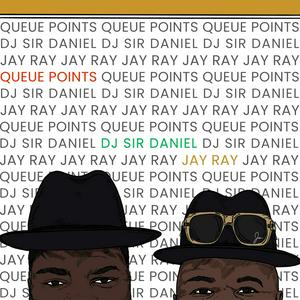
Queue Points is the Black Podcasting Award and Ambie Award-nominated music podcast that is dropping the needle on Black Music history and celebrating Black music through meaningful dialogue. The show is hosted by DJ Sir Daniel and Jay Ray. Follow us on social media @queuepointspod everywhere.
Podcast-WebsiteHöre Queue Points, Klassik für Taktlose und viele andere Podcasts aus aller Welt mit der radio.at-App
Hol dir die kostenlose radio.at App
- Sender und Podcasts favorisieren
- Streamen via Wifi oder Bluetooth
- Unterstützt Carplay & Android Auto
- viele weitere App Funktionen
Hol dir die kostenlose radio.at App
- Sender und Podcasts favorisieren
- Streamen via Wifi oder Bluetooth
- Unterstützt Carplay & Android Auto
- viele weitere App Funktionen
Queue Points
Code scannen,
App laden,
loshören.
App laden,
loshören.
 Österreich