
Höre diesen Podcast kostenlos in der App: Kostenlos im App Store laden
radio.at
Sleeptimer
Sender speichern
97 Episoden
What might the US midterm elections mean for Allies?
07.10.2026 | 47 Min.As the US mid-term elections approach, and Donald Trump's domestic approval ratings sit in the doldrums, Dr John Hemmings makes a timely intervention about what various futures might emerge and what they could mean for Allies. Because, as various world leaders from French President Emmanuel Macron to Canadian Prime Minister Mark Carney have said, "There is no going back to the old alliance system that we once knew and understood." Is this simply pessimism for a world that is all about change? Is it just fatalism ro presume that a new balance of alliance membership is preordained to be a bad thing? Haven't we been through worse periods of alliance relationships across Cold War history – and emerged stronger for it? Worth getting your mind around potential future scenarios--short and long-term--before they are here. John certainly provides context and food for thought.Financing Deterrence
07.09.2026 | 52 Min.The charter for the Defence, Security, and Resilience Bank (DSRB) has been signed and founding members – notably including both Canada and Luxenberg – are piling on the pressure to start making funding available to member states, industrial primes, and commercial SMEs. According for Brigadier General (retired) Robbie Boyd, this is the best and most significant piece of innovation to have happened to deterrence in the least 45 years. The DSRB has become as political as it is economic and offers solution for like-minded democracies to make significant investments in hard power capabilities (like weapons and ammunition) that other financial institutions (like the European Investment Bank) will not allow. There aren't many places you hear a conversation about global financing of deterrence and defence in an accessible way. Robbie Boyd makes this deeply technical and fiduciary discussion digestible even to sailors.Land Power and contemporary conflict
10.08.2026 | 35 Min.The reticence of Western governments to use Land Forces on operations has been notable of late. Dr Jack Watling, from RUSI in London, talks through the reasons for this, the lessons from Ukraine (and whether these are different from lessons from other theatres), whether both the battlefield is transparent and if dispersion is helping, the strategies being employed by various belligerents, counter C2 warfare (with specific emphasis on the IDF experiences), logistics, the human requirement when technology becomes the driving force, and the reality of Ukrainian drone operations. What emerges from the discussion is that if you want assurance in reaching political goals when undertaking war, you must employ land forces – and you must have the scale to make them effective: doing it on the cheap or on a small scale (ie anything below Army Group) just won't cut it.The DIP: It's not about national security
27.07.2026 | 40 Min.Despite all the diatribes written about the UK's 2026 Defence Investment Plan, the root of the issue wasn't identified; that the plan was about military hardware and not about the UK's National Security. Ewan Lawson talks about three aspects of the DIP that underline this. First, the UK's missile and air defence plans as an example of the military's attitude towards societal resilience and critical national infrastructure: Hybrid war is a Transition to War (in old money) and not a synonym for 'peace'. Second, the reality of cyber operations today; what has been learned from recent operations in terms of value-for-money (or not) that cyber provides as an exploitation or effect. Third, the worrying nature of the UK-US relationship (both militarily and politically) as it has degraded since 2001. The latter is vital for the UK's national security but it feels like there is a delusion in some areas that all is well, when patently it isn't.Parliamentary Scrutiny of the Military: Society deserves better
17.05.2026 | 40 Min.The parliamentary committees responsible for scrutiny of the Ministry of Defence on behalf of society and tax-payers can't perform their roles effectively. Government departments, political and military leaders just don't seem to care: perhaps it is worse than that. According to Mike Martin, former military veteran and now Member of Parliament for Tunbridge Wells, they actively obfuscate and hinder scrutiny and proper governance. To provide the adequate governance and public assurance of the military and the department of state, select committees need teeth as well as a mouth with which to embarrass governments. Mike provides three suggestions for improvements, and a dose of reality on the scrutiny process.
Weitere Regierung Podcasts










Trending Regierung Podcasts


















Über This Means War
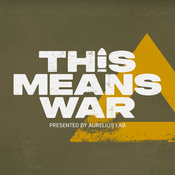
Conversations about contemporary warfare and what it means for the future of fighting. Each episode will look at how wars are being fought around the world today, whether (and why) this is important, and what it all might mean for militaries and national security in the coming decades.
Podcast-WebsiteHöre This Means War, apolut: Standpunkte und viele andere Podcasts aus aller Welt mit der radio.at-App
Hol dir die kostenlose radio.at App
- Sender und Podcasts favorisieren
- Streamen via Wifi oder Bluetooth
- Unterstützt Carplay & Android Auto
- viele weitere App Funktionen
Hol dir die kostenlose radio.at App
- Sender und Podcasts favorisieren
- Streamen via Wifi oder Bluetooth
- Unterstützt Carplay & Android Auto
- viele weitere App Funktionen

This Means War
Code scannen,
App laden,
loshören.
App laden,
loshören.
This Means War: Zugehörige Podcasts
 Österreich