Episode 140: FLASHBACK — Giftedness: Navigating Giftedness in Marginalized Communities [featuring Sheldon Gay]
09.1.2026 | 1 Std. 6 Min.
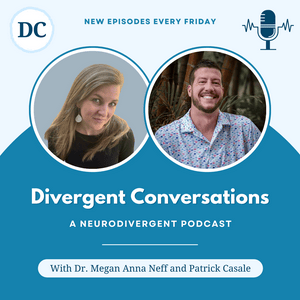
As a gifted, BIPOC individual, it can be uniquely challenging to navigate day-to-day experiences and find meaningful connections, especially prior to the discovery of giftedness.In this flashback episode, Patrick Casale and Dr. Megan Anna Neff, two AuDHD mental health professionals, along with Sheldon Gay, an entrepreneur, podcast host, and the Vice-Chair of the neurodivergent-affirming non-profit, Umbrella US, discuss his unique perspective on being seen beneath our social masks, the societal impact of intellectual identity as a BIPOC human, and his personal self-discovery journey of giftedness.Top 3 reasons to listen to the entire episode:Discover the complexities and societal pressures of intellectual identity and how they shape interactions and self-perception, as well as the struggle to find genuine connections while managing unique cognitive abilities.Gain a deeper understanding of the unique challenges faced by gifted individuals, especially within marginalized communities. Learn about the burden of expectations, code-switching as a gifted black man, and the journey of self-acceptance.Learn about Sheldon Gay's perspective on navigating biases in professional spaces, the importance of authenticity, and the impact of self-trust and empathy in both personal and professional settings.As you explore the depths of your own identity and capabilities, remember the importance of self-trust and creating spaces where you can be your authentic self. Reflect on how societal expectations may have influenced your journey and seek communities that celebrate your unique experiences and perspectives.More about Sheldon:Sheldon Gay is an entrepreneur with a background in engineering and creating memorable customer experiences. He's worked in various fields, including healthcare, nonprofits, and education-technology. In addition to growing multiple businesses, he is currently the Vice-Chair of the neurodivergent-affirming non-profit, Umbrella US. As a Black man who discovered later in life that he’s neurodivergent, he sees the world from a different angle than most. Due to his unique perspective, he knows all too well how it feels to be “the only one” in a room. After intense self-discovery work in his early 40s, he found answers to life-long questions and received freedom from burdens he'd carried since he was a child. Now, he uses his experiences to help others embrace their true selves and release their burdens as well. Sheldon helps his audiences become curious about their minds, combat loneliness through community, and experience peace and joy through authenticity.Website: sheldongayisbugn.comSocial Media: @imustbebugn and @imustbebugn.bsky.social————————————————————————————————🎙️Listen to more episodes of the Divergent Conversations Podcast🎙️Spotify🎙️Apple🎙️

Episode 139: FLASHBACK — Autistic Grief and Wellness: Holding Space for Hard Emotions
02.1.2026 | 55 Min.
Grieving the loss of a beloved pet or navigating collective trauma can feel overwhelming, especially for neurodivergent individuals who experience heightened attachment and sensitivity. This episode highlights the raw realities of grief, loss, and emotional processing, and explores the complexities unique to neurodivergent wellness journeys.In this flashback episode, Patrick Casale and Dr. Megan Anna Neff, two AuDHD mental health professionals, discuss the challenges of navigating grief—particularly pet loss—while managing the heightened sensitivities and emotional intensity common among Autistic and ADHD adults. They talk about how grief impacts daily life, the importance of ritual, attunement in relationships, the role of animal companionship, and how the neurodivergent experience can complicate or intensify the grieving process.Top 3 reasons to listen to the entire episode:Understand the unique ways neurodivergent grief manifests, including sensory and attachment factors, and gather validation for experiences that may not be widely recognized or understood by neurotypical circles.Learn pragmatic strategies for processing grief—including rituals, attunement with supportive friends, setting boundaries, and balancing self-compassion with the demands of social expectations.Explore the intersection of collective trauma, emotional wellness, and coping in a world full of ongoing stressors, with candid advice on when to lean into hard feelings and when to step back for necessary self-preservation.For individuals navigating loss, especially through a neurodivergent lens, this episode offers insight, solidarity, and practical support. Remember that honoring your unique grief journey is vital—and that connection, self-compassion, and community are essential parts of healing.————————————————————————————————🎙️Listen to more episodes of the Divergent Conversations Podcast🎙️Spotify🎙️Apple🎙️YouTube Music▶️ YouTube💬 Join Divergent Conversations Underground————————————————————————————————Thanks to Our Sponsors: Jane✨ Jane:Jane is a practice management software and EMR that helps you balance caring for clients while growing your business. Co-founded by a multidisciplinary clinic owner and a developer with an eye for design, it’s built to fit the way that you work, supporting your practice as it grows and evolves. Jane

Episode 138: FLASHBACK — Neurodivergent Realities, Rupture & Repair, and Podcast Updates
26.12.2025 | 47 Min.
Prioritizing wellness and authentic connection is essential for neurodivergent individuals, especially during times of low energy or change. This episode highlights how embracing interdependence, rest, and honest communication can support deeper well-being and resilience within both friendships and professional collaborations.In this episode, Patrick Casale and Dr. Megan Anna Neff, two AuDHD mental health professionals, candidly discuss what led them to take a break from the podcast and how that pause deepened their understanding of self-care, boundaries, and the value of neurodivergent connection. Together, they share personal experiences of attachment wounds, rupture and repair, community building, and new season plans—without guest speakers, focusing on honest, relatable conversations between friends and colleagues.Top 3 reasons to listen to the entire episode:Discover a realistic and neurodivergent-affirming approach to wellness that acknowledges low energy periods, demand avoidance, and the vital importance of community and interdependence.Learn practical tools for navigating and repairing relationship ruptures, including how to get beneath content-driven arguments to the underlying attachment needs and emotions.Find validation and actionable self-care frameworks, from balancing self-soothing with self-nourishment to reimagining community as “mile deep, inch wide”—especially relevant in the current climate of heightened stress and activism.While reflecting on your own wellness and connections, consider how you might honor your needs for both rest and community support. Listen to this episode for an open, compassionate look at what real, sustainable neurodivergent wellness can look like.Articles and essays mentioned in this podcast: Dr. Neff’s article on rupture repair (written shortly after the experience discussed in this episode): https://neurodivergentinsights.com/rupture-repairIdentity Development Model Article (also discussed in this episode): https://neurodivergentinsights.substack.com/p/neurodivergent-identity-arcsTwo Forms of Self-Care by Dr. Daniel Wendler: https://neurodivergentinsights.com/two-forms-self-careDivergent Conversations Underground (a space to continue and deepen the conversation together)Divergent Conversations Underground: If you’d like to go deeper with us this season, we’re excited to stretch into more nuanced, searching conversations in community. https://divergentconversations.substack.com————————————————————————————————🎙️Listen to more episodes of the Divergent Conversations Podcast🎙️
Episode 137: FLASHBACK — Autistic Burnout City: Perpetual Sensory Hell
19.12.2025 | 46 Min.
Living with perpetual Autistic burnout can feel like navigating a world that’s always just a little too overwhelming, exhausting, or out of sync. For neurodivergent people, teasing apart burnout from depression and understanding how chronic sensory and emotional overload shapes daily life is not just challenging but key for self-advocacy and well-being.In this flashback episode, Patrick Casale and Dr. Megan Anna Neff, two AuDHD mental health professionals, discuss the lived experience of Autistic burnout. They share personal stories about perpetual exhaustion, reflect on the nuances that differentiate Autistic burnout from depression, and illustrate how life stressors, health challenges, and environmental demands converge to create what they jokingly call “perpetual sensory hell.” With humor and candor, they explore how burnout can signal deeper misalignment and the importance of understanding personal triggers, as well as highlight why these conversations matter so much for late-identified Autistic adults.Top 3 reasons to listen to the entire episode:Gain clarity on the difference between Autistic burnout and depression through real-life examples and practical markers—vital for anyone navigating neurodivergent mental health.Hear validating stories about sensory struggles, task exhaustion, and the havoc that chronic burnout can wreak, along with the role of major life changes, masking, and health conditions.Pick up concrete advice for recognizing your own burnout triggers, interpreting external and internal signals, and beginning to build a more resilient, neurodivergent-affirming life.If you’re navigating burnout or are curious about what “Autistic burnout” really means, this episode offers honest validation, practical wisdom, and a sense of solidarity. Discover how being seen and understood can be the first step out of perpetual burnout.ResourcesNeurodivergent Insights Resource on Autistic Burnout: neurodivergentinsights.com/burnout-resourcesDivergent Conversations Podcast Episodes:Episode 2: Autistic Burnout (divergentpod.com/2)Episode 47: Autistic Burnout (Part 2): A Deep Dive Into The Diversity of Burnout (divergentpod.com/47)————————————————————————————————🎙️Listen to more episodes of the Divergent Conversations Podcast🎙️Spotify🎙️Apple🎙️YouTube Music▶️

Episode 136: FLASHBACK — Autistic Burnout City: How Sensory Input Impacts Burnout
12.12.2025 | 51 Min.
Burnout isn’t just about exhaustion—it’s a sensory experience that can leave neurodivergent people feeling stretched to the breaking point. When every sound, smell, or texture feels overwhelming, how do we navigate recovery and build resilience in a world that rarely slows down?In this flashback episode, Patrick Casale and Dr. Megan Anna Neff, two AuDHD mental health professionals, discuss the connection between sensory processing and autistic burnout. They share candid reflections on their personal burnout cycles, explore how sensory overwhelm shapes emotional and cognitive well-being, and highlight the critical need for understanding individual sensory profiles. This conversation unpacks the realities of living through burnout—including the constant to-do lists, the elusive pursuit of “just right” sensory environments, and the importance of community support—while providing practical strategies for recovery and prevention.Top 3 reasons to listen to the entire episode:Discover how sensory overload and sensory needs play a major role in burnout for Autistic and ADHD people, and pick up strategies for managing sensory overwhelm even when "rest" isn’t an option.Hear honest, relatable insights from Patrick and Megan Anna about identifying sensory triggers, living with constant overwhelm, and unlearning narratives around "not being content"—plus the validating realization that everyone’s sensory profile and needs are truly unique.Get practical tools to help you map your own sensory landscape, communicate your needs, and take actionable steps toward burnout recovery and prevention—grounded in real-life experiences and evidence-based wisdom.If you’re feeling stretched thin by sensory and emotional demands, this episode is designed to help you understand why and start reclaiming what makes you feel safe, soothed, and genuinely well.ResourcesNeurodivergent Insights Resource on Autistic Burnout: neurodivergentinsights.com/burnout-resourcesThe Autistic Burnout Workbook by Dr. Megan Anna Neff: simonandschuster.com/books/The-Autistic-Burnout-Workbook/Megan-Anna-Neff/9781507223062Check out Neurodivergent Insights’ Library of Boundary Scripts (free resource): neurodivergentinsights.notion.site/Boundary-Statements-17da17a4bb8b80c9a45dc8ff9c651725Sensory ChecklistsSensory Preferences: neurodivergentinsights.com/sensory-preferences-the-complete-checklistSensory...


Divergent Conversations